Lately, Rubber Vinyl Flooring has really been catching on with both homeowners and businesses. I mean, it’s pretty cool—it blends the tough durability of rubber with the stylish look of vinyl. John Smith, who’s pretty much a flooring expert at Flooring Innovations, mentions, ‘Rubber Vinyl Flooring offers unmatched resilience and style for any space.’ It’s honestly changing the game when it comes to interiors, especially since it’s so good at handling high-traffic areas.
What people seem to love most are its slip-resistant qualities and how easy it is to maintain. It’s definitely a smart pick for both homes and commercial places. That said, not everyone considers some of the potential downsides, like the maybe hefty initial cost or the installation hassles. Picking the right flooring is a big deal, so it’s good to really weigh the pros and cons before making a call.
Most experts agree—while Rubber Vinyl Flooring brings quite a few perks to the table, it’s not perfect. It’s important for buyers to think about what they really need before diving in. Educating yourself about its strengths and limitations helps ensure you get the kind of flooring that’ll last and work well for your space. And if you’re not quite sure how to install it or want the best results, bringing in professionals is definitely the way to go.
Understanding Rubber Vinyl Flooring: Definition and Composition
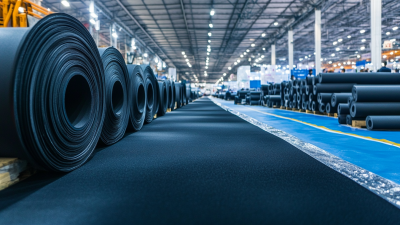
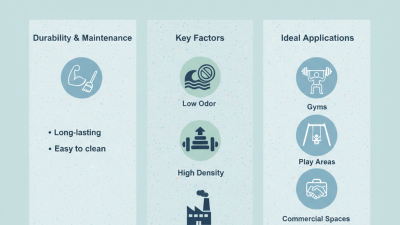
Rubber vinyl flooring combines the durability of rubber with the versatility of vinyl. This flooring type is composed of multiple layers. The top layer is a printed vinyl design, while the core features fibrous and rubber components. Such construction provides a sturdy, slip-resistant surface ideal for high-traffic areas.
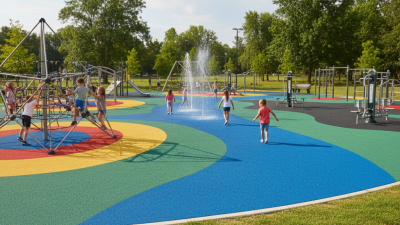
One significant benefit of rubber vinyl flooring is its impact on comfort. It offers cushioning that reduces fatigue on feet, which is essential in spaces like Gyms or playrooms. Moreover, this type of flooring is often resistant to moisture and staining. This characteristic makes it suitable for kitchens and bathrooms, where spills are common.
However, potential buyers should consider installation challenges. An improper installation can lead to bubbles or unevenness. It’s crucial to prepare the subfloor correctly. Regular maintenance is needed too. Neglecting it could lead to a diminished appearance over time. Each aspect must be evaluated well to ensure long-term satisfaction with your flooring choice.
What is Rubber Vinyl Flooring and Its Benefits for Buyers?
| Dimension | Details |
| Definition | Rubber vinyl flooring is a synthetic material combining the resilience of rubber with the aesthetic appeal of vinyl. |
| Composition | Made up of multiple layers including a vinyl top layer, a rubber backing, and a protective wear layer. |
| Durability | Highly durable, resistant to scratches, dents, and heavy foot traffic. |
| Comfort | Soft and cushioned underfoot, providing comfort for prolonged standing or walking. |
| Maintenance | Easy to clean and maintain, typically requiring only regular sweeping and damp mopping. |
| Sound Absorption | Good sound absorption properties, making it ideal for busy environments such as gyms and schools. |
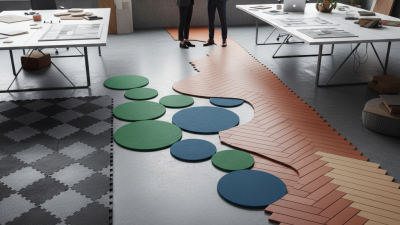
| Variety | Available in a wide range of colors and designs to suit various aesthetic requirements. |
| Eco-Friendliness | Often produced with recycled materials and can be recycled at the end of its life cycle. |
Key Features of Rubber Vinyl Flooring: Durability and Flexibility
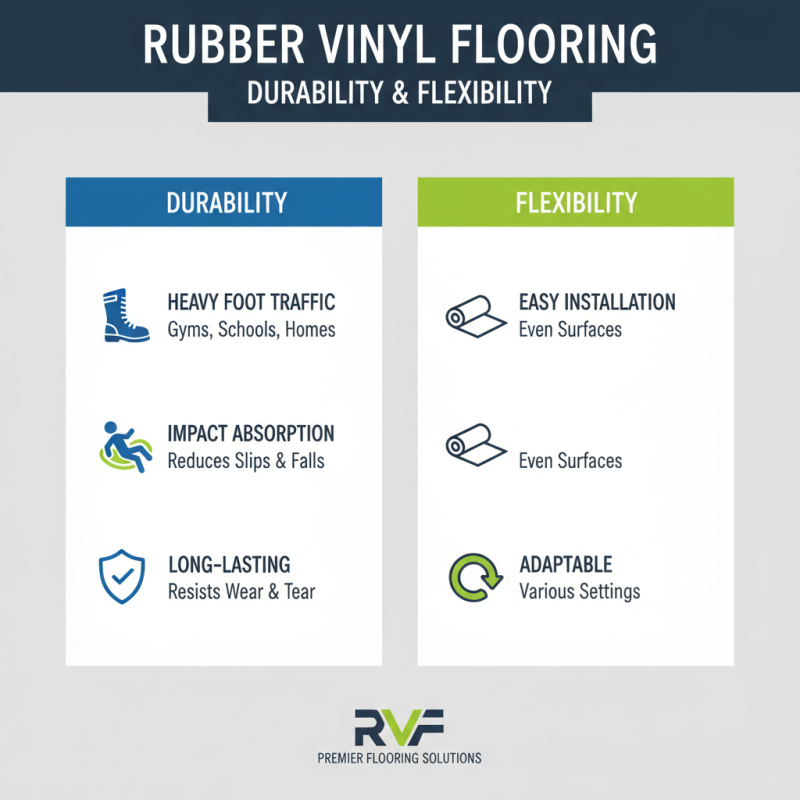
Rubber vinyl flooring offers impressive durability and flexibility, making it a popular choice for various settings. This type of flooring withstands heavy foot traffic. It's perfect for gyms, schools, and homes. The material absorbs impact well, reducing the risk of injuries from slips and falls. Its flexibility allows for easy installation, even on uneven surfaces.
When considering rubber vinyl flooring, it's crucial to evaluate its resilience. This flooring can resist scratches, dents, and stains, which makes it ideal for busy areas. The surface is also water-resistant, preventing damage in moist environments like kitchens and bathrooms. However, while it is durable, avoid using harsh chemicals for cleaning. They can erode the surface over time.
Tips: Always maintain proper ventilation when installing rubber vinyl flooring. This prevents moisture buildup. Additionally, test small samples before fully committing to a color or style. Reflect on how different hues can affect the room's ambiance. Every detail matters in creating your ideal space.
Comparative Analysis: Rubber Vinyl vs. Traditional Vinyl Flooring
Rubber vinyl flooring is gaining popularity for various reasons. Unlike traditional vinyl flooring, it provides superior resilience and cushioning. According to a recent industry report, rubber vinyl outperforms its traditional counterpart in shock absorption by nearly 30%. This makes it a suitable choice for high-traffic areas or spaces where comfort is vital, such as gyms and children’s playrooms.
In terms of maintenance, rubber vinyl flooring is relatively low-maintenance. It is resistant to stains and spills, which is a common concern with traditional vinyl. However, some users report challenges with specific cleaning agents that may damage the surface. Traditional vinyl, while easier to install, often suffers from wear and tear. It may need replacement sooner, which can incur additional costs.
The slip resistance of rubber vinyl is another notable advantage, providing enhanced safety. Data shows that it reduces slip and fall accidents by roughly 40% compared to traditional surfaces. Despite its benefits, price can be a barrier for some buyers. Rubber vinyl often comes at a higher upfront cost. Understanding these trade-offs can help buyers make informed choices for their flooring needs.
Health Benefits: Impact on Indoor Air Quality and Safety Standards
Rubber vinyl flooring is gaining attention for its significant health benefits. This type of flooring can greatly impact indoor air quality. Research shows that traditional flooring materials release volatile organic compounds (VOCs). These can aggravate allergies and respiratory issues. In contrast, rubber vinyl often has low VOC emissions, promoting a healthier living environment. According to a study by the Environmental Protection Agency, reducing indoor air pollutants can lower health risks by nearly 30%.
Safety standards are another critical consideration. Many rubber vinyl products meet stringent ASTM (American Society for Testing and Materials) safety guidelines. This ensures they are slip-resistant and fire-retardant. The National Institute for Occupational Safety and Health emphasizes that such flooring reduces the risk of falls and injuries. However, it is vital to ensure proper installation and maintenance to maximize these safety features. Some installations might fail to achieve this, leading to unexpected hazards.
Moreover, while rubber vinyl flooring offers these benefits, not all products are created equal. Consumers should investigate certifications from recognized bodies like the FloorScore program. This certification ensures that the products meet high indoor air quality standards. Understanding these nuances in rubber vinyl flooring can lead to better health outcomes for families and communities. Taking the time to research is an essential part of making informed decisions.
Health Benefits of Rubber Vinyl Flooring: Impact on Indoor Air Quality and Safety Standards
Cost-Effectiveness: Pricing and Longevity of Rubber Vinyl Flooring
Rubber vinyl flooring is increasingly popular among buyers due to its cost-effectiveness and longevity. The initial investment ranges from $2 to $5 per square foot, depending on quality and design. This price point is often lower than that of hardwood or ceramic tiles. According to a recent industry report, rubber vinyl can last up to 20 years with proper maintenance. This durability makes it a wise financial choice, especially in high-traffic areas.
Maintenance costs are also relatively low. Regular cleaning routines can prolong the life of rubber vinyl flooring. Using mild detergents can help retain its quality without the need for expensive chemicals. However, some users report that while this flooring is resilient, it can stain if spills are not addressed quickly. Users must remain vigilant to avoid potential issues with discoloration.
Moreover, rubber vinyl flooring is resistant to moisture and mold, making it ideal for bathrooms and kitchens. Its soft surface offers comfort underfoot, reducing fatigue. However, the surface can feel slippery when wet. This safety concern is essential for families with children or elderly residents. Balancing these factors is crucial for buyers considering rubber vinyl flooring for their homes.
Sustainability Aspect: Environmental Impact and Recycling Potential
Rubber vinyl flooring provides a sustainable option for buyers concerned about environmental impact. This flooring type often contains recycled materials, promoting responsible consumption. According to the U.S. Environmental Protection Agency, recycling rubber can significantly reduce landfill waste. It’s estimated that nearly 300 million tires are disposed of annually, contributing to environmental pollution.
Manufacturing rubber vinyl flooring uses less energy than traditional flooring options. Reports indicate that up to 60% less energy can be consumed in production. Furthermore, due to its durability, this flooring has a longer lifespan, reducing the need for frequent replacements. The resilience of rubber can also lead to lower maintenance requirements.
Recycling potential enhances the sustainability of rubber vinyl flooring. Many manufacturers have established programs to reclaim and repurpose old flooring. However, challenges remain in standardizing recycling practices. While some products are designed to be fully recyclable, not all facilities may accept them. Educating consumers on proper disposal methods is crucial for maximizing recycling benefits. This highlights the need for ongoing industry improvement in sustainability practices.
Installation and Maintenance Guide: Best Practices for Homeowners
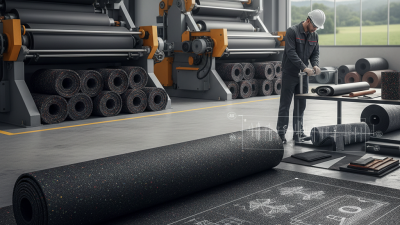
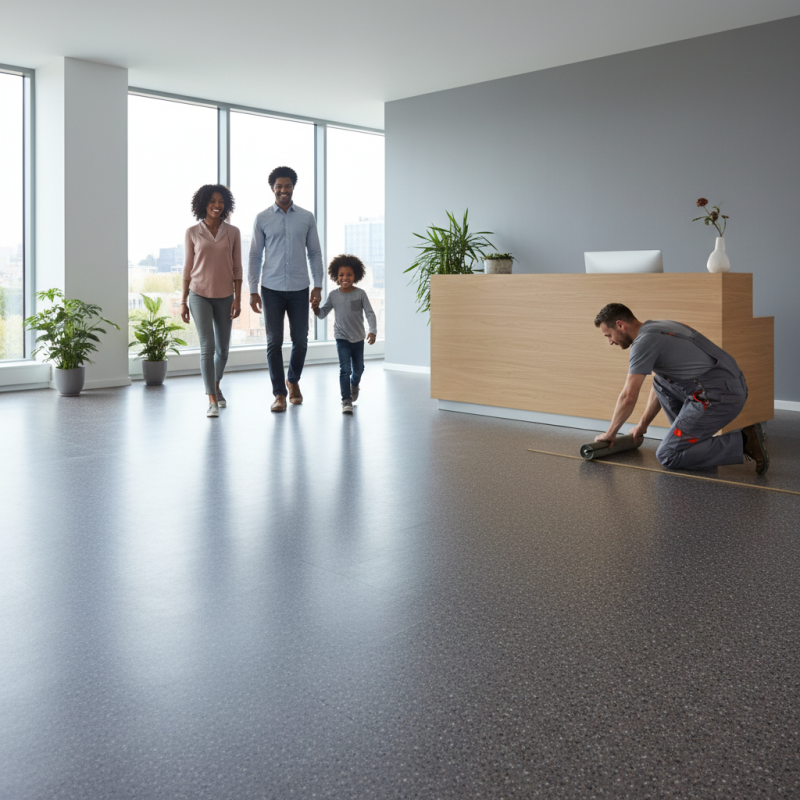
Rubber vinyl flooring is a popular choice among homeowners for its durability and comfort. Installing this flooring requires careful preparation. Start by ensuring your subfloor is clean and dry. This step is crucial for a successful installation. Use a gentle cleaner to remove dirt and debris. Once the surface is ready, measure and cut the flooring to fit your room.
When it comes to maintenance, rubber vinyl flooring is relatively low-maintenance. Regular sweeping and occasional mopping will keep it looking fresh. However, avoid using harsh chemicals, as these can damage the surface. Over time, you may notice some wear and tear. Consider refinishing instead of replacing entire sections to save money.
Even with all precautions, challenges can arise. Inconsistent temperature can cause expansion or contraction. It's essential to acclimate the flooring before installation. Be prepared to adjust your methods if your flooring does not behave as expected. This flooring type can be an excellent choice, but understanding its needs is key to maximizing its lifespan.
The Ultimate Guide to Choosing the Best Rubber Interlocking Mat for Your Home Gym
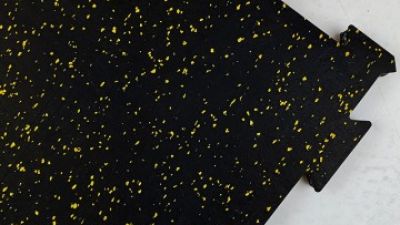
When setting up a home gym, one of the most crucial elements to consider is the flooring. The right interlocking mat can significantly enhance your workout experience by providing comfort and stability. The rubber interlocking mat emerges as an excellent choice, particularly for light commercial fitness and home environments. Made from a blend of 40 mesh rubber tire powder and 15% EPDM granules, this mat is engineered for durability and performance. Its advanced molding and spiral-cut technology ensure that it can withstand the rigors of regular exercise sessions while offering a pleasant aesthetic appeal.
The design of the Rubber Interlocking Mat is not just functional but also user-friendly. The interlocking feature simplifies installation, enabling you to customize the size and shape of your gym space easily. Furthermore, these mats excel in shock absorption and noise reduction, making them ideal for high-intensity workouts, cardio routines, or yoga sessions. Whether you’re lifting weights or doing floor exercises, the mat provides the necessary grip and cushioning that can contribute to both safety and comfort during your workouts. With these attributes, the Rubber Interlocking Mat stands out as a fundamental investment for anyone looking to create a versatile and effective workout environment at home.
FAQS
: It offers durability and flexibility, making it suitable for gyms, schools, and homes.
With proper maintenance, it can last up to 20 years.
Yes, its flexibility allows for easy installation, even on uneven surfaces.
Regular cleaning with mild detergents is recommended. Avoid harsh chemicals to maintain quality.
It is water-resistant, making it ideal for areas like kitchens and bathrooms. However, it can feel slippery when wet.
Yes, many manufacturers have recycling programs, but not all facilities accept all products.
Reflect on how different hues impact the room's ambiance. Small samples can help finalize your choice.
It can stain if spills aren't quickly cleaned. Users must stay vigilant to prevent discoloration.
It often contains recycled materials and uses less energy in manufacturing than traditional flooring.
The surface can be slippery when wet, which is important for households with children or elderly residents.
Conclusion
Rubber Vinyl Flooring is an innovative flooring option that combines the durability of rubber with the aesthetic appeal of vinyl, making it a popular choice for various indoor spaces. This type of flooring is characterized by its remarkable flexibility and resilience, offering a comfortable surface that withstands heavy foot traffic. Unlike traditional vinyl flooring, Rubber Vinyl Flooring promotes better indoor air quality and adheres to strict safety standards, making it a healthier choice for homes and commercial environments.
In addition to its health benefits, Rubber Vinyl Flooring is cost-effective in the long run, thanks to its longevity and minimal maintenance requirements. The environmental aspect of this flooring is also noteworthy, as it is often recyclable, thereby reducing its overall impact on the planet. Homeowners looking to install Rubber Vinyl Flooring should follow best practices to ensure a smooth installation and maintain the flooring’s appealing condition for years to come.