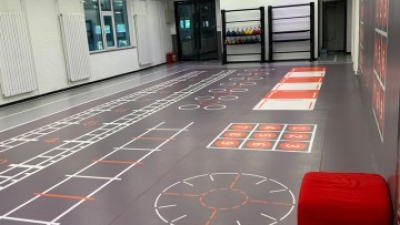
In today's world of fitness and sports facilities, creating a safe, good-looking space for training is more important than ever. At Sanhe Do It The Way Sporting Industrial Co., Ltd., we totally get that need—and we're dedicated to offering top-notch solutions with our innovative products, like Epdm Rubber Flooring. This stuff isn’t just versatile; it really elevates how your space looks while being safe and long-lasting. It’s perfect for all kinds of places—whether that’s sports arenas, workout centers, or training gyms. In this step-by-step guide, I’ll walk you through exactly how to install EPDM Rubber Flooring, so you can turn your environment into a really high-quality training zone that’s both functional and eye-catching.
Understanding EPDM Rubber Flooring: Benefits and Applications
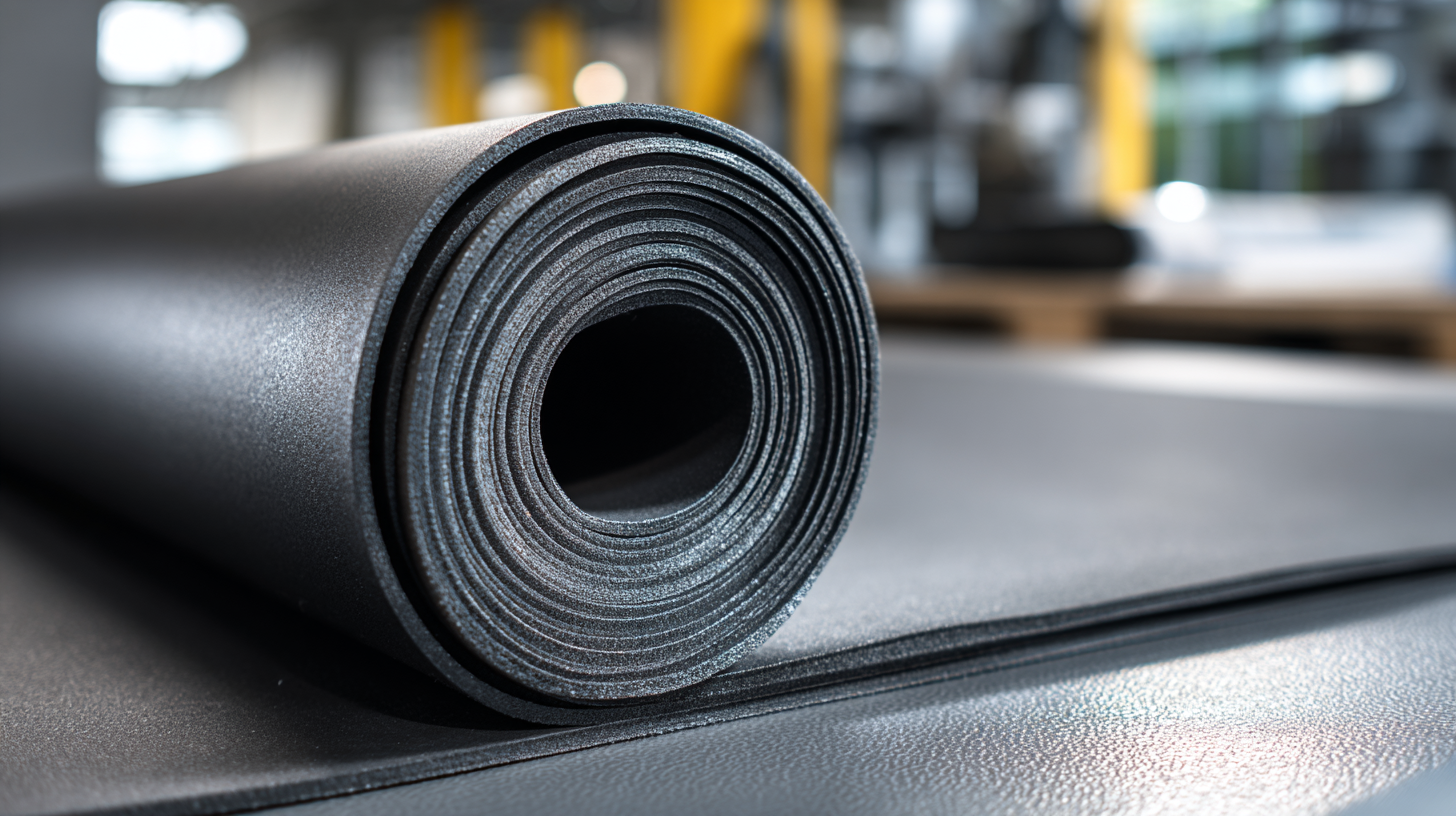
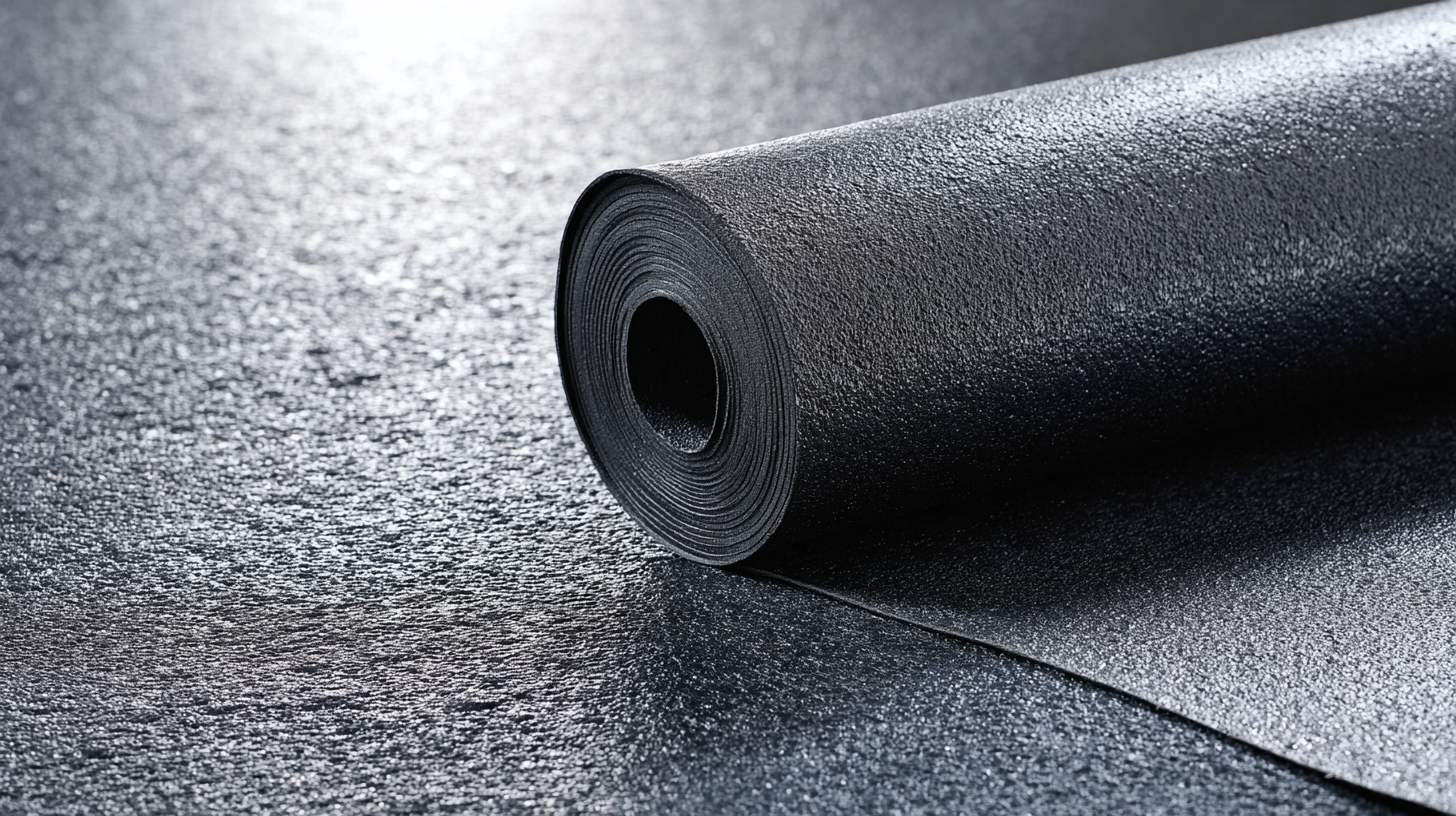
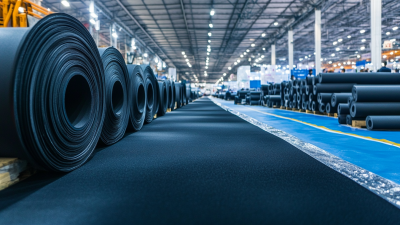
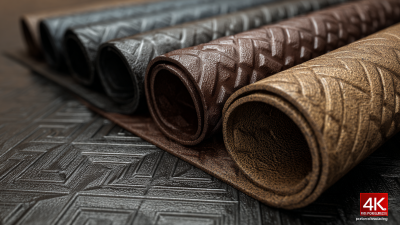
EPDM rubber flooring, made from ethylene propylene diene monomer, is honestly a pretty versatile choice for lots of different spaces. One of the biggest perks? It’s super tough. That means it works great in busy areas like playgrounds, gyms, or even commercial spaces where stuff gets intense. This kind of flooring can handle rough weather and heavy impacts without needing to be replaced all the time, so it really lasts. Plus, you’ve got quite a few options in terms of colors and textures, which makes it easier to match your style and brighten up any place.
Essential Tools and Materials for Your EPDM Flooring Project
Thinking about jumping into an EPDM rubber flooring project? Cool! Just a heads-up—making sure you've got the right tools and materials on hand can really save you headaches later. For starters, a good utility knife is a must for clean, precise cuts. Then, you'll want some flooring adhesive that’s suited specifically for EPDM—you wouldn’t want to use something incompatible and ruin your work. Don’t forget a measuring tape to get things just right, and a roller to smooth out air bubbles and make sure everything sticks properly. Oh, and lately, more folks are opting for eco-friendly, high-quality adhesives—they not only do the job but are better for the environment too.
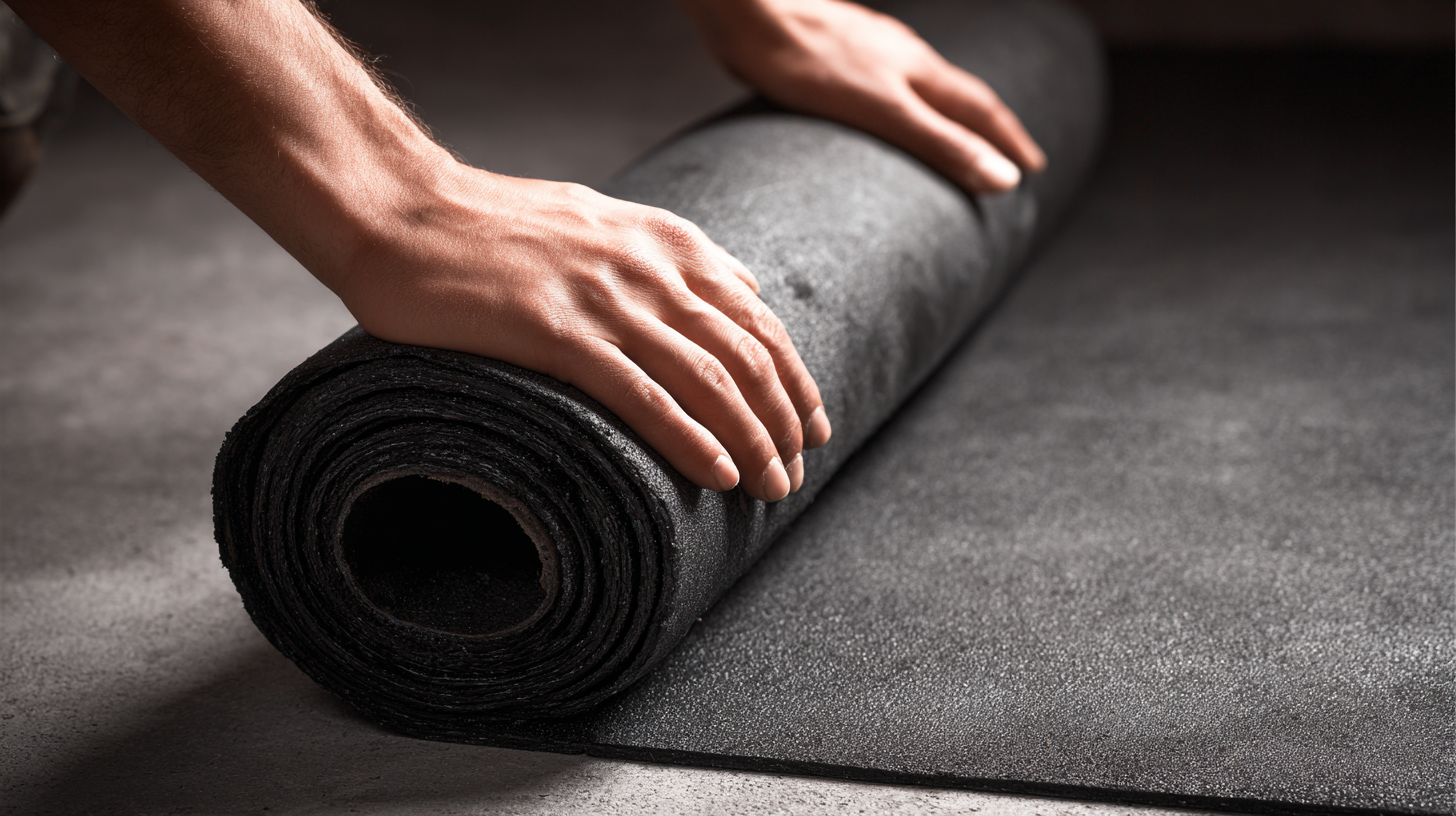
Quick tips before you dive in: give your subfloora good clean—any dirt or bumps can mess things up. It's also a smart move to let your Epdm Material sit in the room for a bit to get used to the temperature. This little step can save you from issues like warping or shrinking down the line. Another handy tool to have is ahand roller—pressing down with this ensures the material is in full contact with the floor below, which really helps with durability and makes everything last longer. And with more focus on sustainable building practices these days, investing in tools that boost efficiency and cut down waste is definitely the way to go—thinking eco-friendly always pays off in the long run.
Preparing Your Subfloor: Key Steps for a Successful Installation
When you're getting ready to install EPDM rubber flooring, the first step—making sure your subfloor is in good shape—is super important. It really sets the stage for a smooth, successful install. You wanna start by checking out your subfloor; it needs to be nice and level, and free of cracks, dirt, or any leftover flooring stuff that might mess with the adhesion. If you spot any imperfections, it’s a good idea to patch them up with the right compounds — trust me, doing this early on can save headaches down the line.
Next, give the area a thorough clean—dust, dirt, grease—all that stuff can make the rubber not stick properly. A vacuum or a damp mop usually does the trick. Make sure it’s completely dry before you move forward. Oh, and don’t forget to check the temp and humidity too—EPDM likes to go in a controlled environment for the best results. Follow these simple steps, and you’ll be laying down a solid foundation that’ll help your new flooring last and look great for years to come.
Step-by-Step Installation Process for EPDM Rubber Flooring
When you're installing EPDM rubber flooring in your space, it's really important to follow a step-by-step process to get a result that’s both durable and looks good. First things first, prep the area—make sure to clean the surface thoroughly, removing any dirt and debris. Trust me, a clean surface really helps the adhesive do its thing and stick properly. Then, take your measurements carefully to cut the EPDM sheets to the right size. I’d recommend marking your measurements clearly and using a sharp utility knife — it makes for cleaner cuts and saves you frustration.
As you go along, here are a few tips that might come in handy. For starters, use a high-quality adhesive specifically designed for rubber flooring; it makes a big difference in how well everything holds together. Apply the glue evenly, and wait until it’s tacky before you lay down the flooring—that helps things stick nicely. When you're installing, it’s best to work from one end of the space to the other. Press the flooring down firmly as you go to avoid air bubbles. If you do happen to get any bubbles, just use a roller or even your hands to smooth them out.
And one more thing—taking good care of your EPDM flooring will really pay off in the long run. Regular cleaning with a mild detergent, avoiding harsh chemicals, keeps it looking fresh. If any spots get damaged, repairs are pretty straightforward. Similar to fixing weather stripping in a car, just use the right rubber-safe adhesive, and you can usually patch things up without needing to replace the whole thing. It's really not as complicated as it sounds, but a little attention goes a long way!
Post-Installation Care and Maintenance Tips for Longevity
When you're installing EPDM rubber flooring, taking care of it afterward is super important if you want it to last and perform well. From what I've read, keeping up with regular maintenance can actually make your floors last over 20 years! That’s pretty amazing and definitely makes it a smart choice for both homes and businesses. One easy thing you can do is give it a good clean now and then with some mild soap and water—this helps stop dirt from building up, which can wear down the material over time. Just make sure to steer clear of harsh chemicals, since those can damage the rubber and shorten its lifespan.
And hey, a little protection goes a long way. Keep sharp objects and heavy furniture from dragging across the surface because they can scratch or dent it. It’s a good idea to put protective pads under furniture legs, too, and try not to slide heavy stuff around, if possible. Also, don’t forget to give your floor a quick once-over every now and then—look for any cracks or tears that might pop up. If you catch those early and fix them right away, you’ll prevent bigger problems later on and keep your EPDM flooring looking and working great for many years to come. Trust me, a little extra care really makes a difference!
Common Mistakes to Avoid When Installing EPDM Flooring
When you’re installing EPDM rubber flooring, it’s pretty important to avoid some common mistakes — honestly, it can make a big difference in how your space looks and works in the long run. One thing that trips people up often is not prepping the surface properly. If you skip cleaning and leveling the substrate, you might end up with adhesion issues and your flooring wearing out sooner than you'd like. I read somewhere that bad installation practices can cut the lifespan of the flooring by nearly 30%. So, making sure the surface is smooth and dry is super key, especially in busy spots like gyms or sports venues where the flooring gets a lot of foot traffic.
Another thing to watch out for is ignoring the manufacturer's instructions. Stuff like seam placement or letting the material acclimate properly can seem small, but they actually matter a lot. When you don’t follow these steps, seams can end up looking odd, and the floor’s performance can suffer over time. It’s been shown that bad installation practices can even double your maintenance costs and cause the flooring to degrade faster. So, taking the time to plan everything out, follow the instructions, and get it right means you end up with a safe, good-looking floor that’s built to last and meets what you need, both functionally and aesthetically.
Common Mistakes to Avoid When Installing EPDM Rubber Flooring
This chart illustrates the common mistakes encountered during the installation of EPDM rubber flooring, depicting the percentage of each error type. Proper awareness of these mistakes can help improve the installation process and ensure better results.
The Impact of Customized PVC Flooring on Gym Studio Performance: Insights from Recent Industry Reports
When it comes to enhancing gym studio performance, the choice of flooring plays a crucial role. Recent industry reports highlight the significant impact that customized PVC flooring can have on functional training areas and specialized fitness zones. Engineered with precision, our customized PVC flooring utilizes applied PVC foam as the raw material, complemented by a composite pattern printed layer and a durable PUR coating. This innovative design not only caters to aesthetic preferences but also meets the rigorous demands of elite gyms.
The versatility of our modular PVC system is unmatched. With the option for personalized backing colors and patterns, gym owners can create an environment that reflects their brand while ensuring optimal functionality. The flooring features a pattern-printed wear layer that utilizes advanced digital UV printing technology, providing a unique look that stands out. Moreover, the performance characteristics—wear resistance, scratch resistance, and stain resistance—make it ideal for high-traffic areas, ensuring longevity and maintaining the studio's pristine condition.
As fitness enthusiasts and trainers alike seek spaces that inspire and motivate, customized PVC flooring offers a practical solution that enhances user experience. By integrating style with durability, gym studios can not only improve performance but also create an inviting atmosphere that keeps clients coming back.
FAQS
: EPDM rubber flooring is composed of ethylene propylene diene monomer.
The main benefits include exceptional durability, slip-resistant properties, non-toxic composition, sound-absorbing qualities, and resistance to mold and mildew.
It is suitable for high-traffic areas such as playgrounds, gyms, and commercial spaces.
Its excellent slip-resistant properties reduce the likelihood of falls, making it safer for children and the elderly.
Regular cleaning with mild soap and water, avoiding harsh chemicals, and inspecting for damage are essential for maintaining EPDM flooring.
With regular maintenance, EPDM rubber flooring can last over 20 years.
Yes, EPDM flooring is available in a range of colors and textures for creative design solutions.
Avoid exposing it to sharp objects and dragging heavy items across the surface.
Yes, EPDM flooring is non-toxic and free from hazardous chemicals, making it an environmentally friendly option.
Its sound-absorbing qualities help create a quieter atmosphere, contributing to a more comfortable setting.
Conclusion
Hey there! If you're thinking about installing EPDM rubber flooring, you've come to the right place. In this easy-to-follow guide, we’ll walk through all the awesome benefits and different ways you can use this super versatile material. It’s really great for creating safe, even innovative training spaces — perfect for gyms, sports venues, or any fitness spot. To get started smoothly, make sure you know what tools and materials you'll need, and pay extra attention to preparing your subfloor properly. That way, the installation will go off without a hitch. We've broken everything down step-by-step to help you get a finish that’s not just functional but also looks great. It’s all in line with Sanhe Do It The Way Sporting Industrial Co., Ltd.'s goal of creating high-performance environments for sports and fitness. Plus, we’ll share some simple tips for caring for your flooring afterward, so it stays looking good and lasts longer. Just a heads-up—watch out for common mistakes during installation to avoid unnecessary issues. Overall, EPDM rubber flooring is a fantastic choice — tough, resilient, and looks pretty awesome too. It’s perfect for just about any training or workout space you’re dreaming up.